Audio
Apr 25, 2024
Spatial Audio Design: Adding the Missing Dimension to Immersive Experiences
How Gamenic's sound designers use Dolby Atmos and binaural audio to create deeply immersive soundscapes for VR, film, and interactive installations.
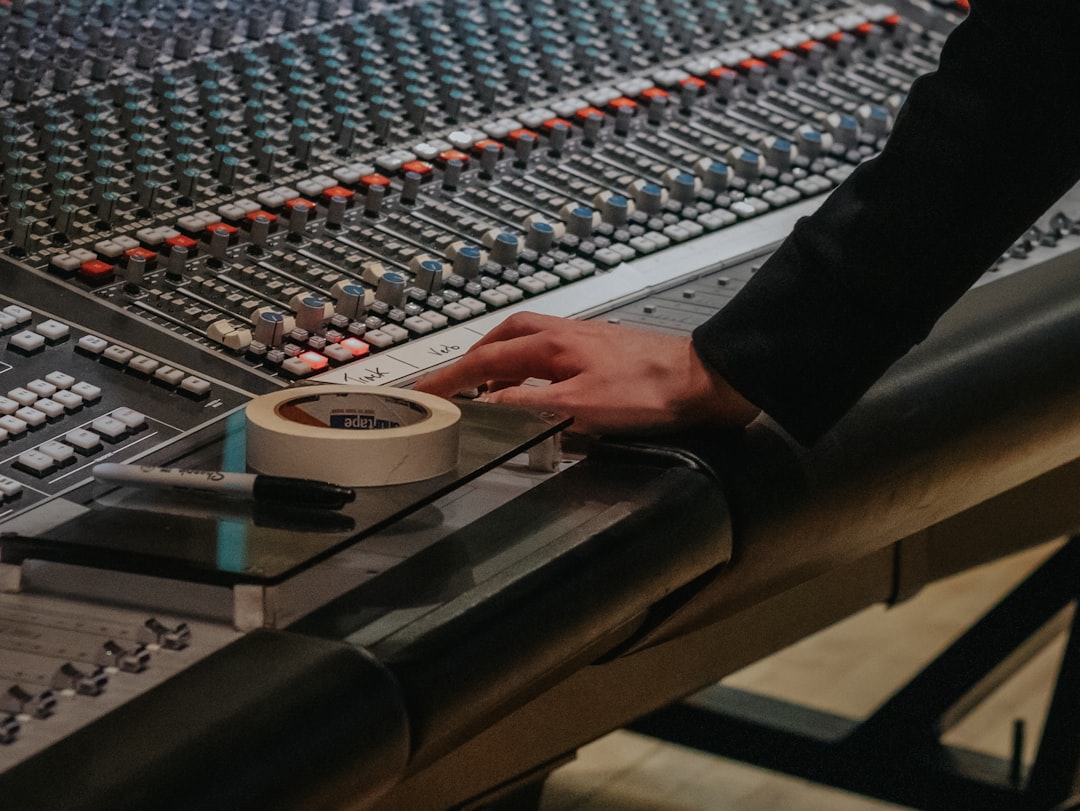
Visual fidelity gets most of the attention in immersive media, but sound is what makes an experience truly believable. At Gamenic, our audio team approaches spatial sound design with the same obsessive attention to detail that our visual artists bring to their work.
For VR experiences, we use binaural audio rendering with head-related transfer functions (HRTFs) to create convincing 3D soundscapes that respond to the user’s head movements. Every sound source in our virtual environments is spatially positioned and attenuated based on distance, occlusion, and the acoustic properties of the virtual space.
Dolby Atmos has become our standard for film and video deliverables that will be experienced in home theater or cinema environments. The object-based audio format allows us to place sounds precisely in three-dimensional space, creating an enveloping soundscape that goes far beyond traditional stereo or 5.1 surround.
Our sound design process begins during pre-production, not in post. We work with directors and experience designers to create audio mood boards and soundscape concepts that inform the visual design as much as the visual design informs the audio. This parallel development ensures that sight and sound feel cohesively designed rather than one being retrofitted to the other.
For interactive installations, we’ve developed custom spatial audio systems using arrays of precisely positioned speakers. Our software analyzes visitor positions in real-time (using computer vision) and adjusts the audio field so that each person experiences a uniquely personal soundscape within the shared space. The effect is something that has to be experienced to be believed.
Category:
Audio
View All Articles