R & D
Jun 15, 2023
Holographic Displays: Prototyping the Future of Brand Presentations
Our R&D experiments with Looking Glass and pepper's ghost holographic tech — and why we believe this is the next frontier for experiential marketing.
Holographic displays have been a sci-fi staple for decades, but the technology is finally reaching a point where it’s practical for commercial applications. At Gamenic’s R&D lab, we’ve been experimenting with various holographic and volumetric display technologies to understand their potential for brand presentations and experiential marketing.
The Looking Glass holographic display has been our primary platform for experimentation. These light field displays create genuine 3D images that can be viewed from multiple angles without glasses or headsets. We’ve created product showcases, architectural walkthroughs, and interactive data visualizations that float in mid-air with impressive depth and clarity.
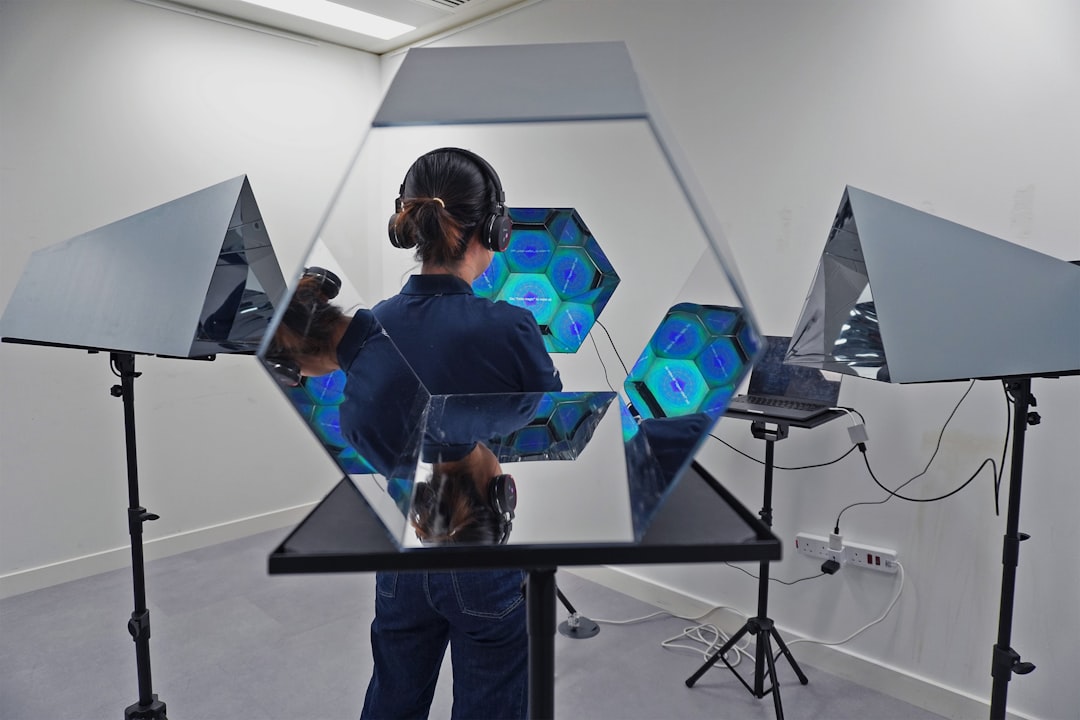
Pepper’s ghost setups the classic stage illusion technique updated with modern projection technology offer a larger-scale alternative. We’ve built several pepper’s ghost installations for trade show booths and retail environments. The technique works by reflecting a bright display off an angled transparent surface, creating the illusion of a floating 3D object in physical space.
Content creation for holographic displays requires a different approach than traditional screen-based media. Viewing angles, depth perception, and the interplay between the holographic content and physical surroundings all need careful consideration. We’ve developed specific guidelines and templates for holographic content that ensure maximum visual impact.
We believe holographic displays will become a standard tool for premium brand experiences within the next 3-5 years. As display resolution increases and costs decrease, the technology will move from trade show novelty to everyday retail and corporate environments. Brands investing in holographic content creation capabilities today understanding the unique creative requirements and technical constraints will have a significant advantage when the medium reaches mainstream adoption.
Category:
R & D
View All Articles